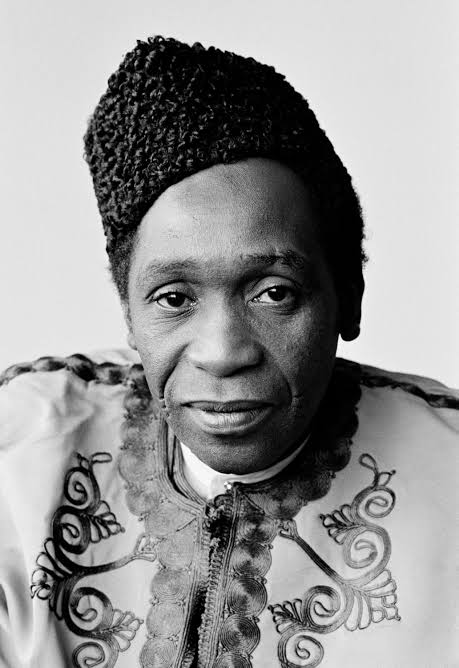
Yusuf Maitama Sule remains one of Northern Nigeria’s most celebrated statesmen, known for intellect, dignity, and unwavering commitment to principled leadership. His life was defined by public service, diplomacy, and the art of moral governance, earning him respect across Nigeria and internationally.
Born in 1929 in Kano, Sule combined traditional Islamic education with exposure to modern statecraft, producing a rare synthesis of faith, intellect, and worldly understanding. His formative years shaped a man who would later bridge Northern tradition with global diplomacy.
Sule’s public service spanned decades. He first entered national politics as a member of the Northern House of Assembly (1959–1966), later serving as a Senator representing Kano Central (1979–1983) during Nigeria’s Second Republic. His diplomatic career reached global heights when he was appointed Nigeria’s Permanent Representative to the United Nations (1986–1989). In these roles, he exemplified disciplined leadership, grounded in principle and guided by conscience.
At the UN, Sule became a prominent voice for African sovereignty. He defended Nigeria’s positions with reasoned authority, advocating for unity and cooperation among postcolonial states. In one of his notable testaments at the UN General Assembly, he stated: “Our independence is not a gift; it is our responsibility. Nations survive only when they assert their sovereignty with wisdom and courage.” This statement encapsulated his lifelong belief in principled statehood and moral leadership.
Domestically, Sule’s heroism shone through as a legislator and civic leader. He championed education, institution-building, and social justice. As Senator, he emphasized accountability and public service: “Leadership is a trust, not a privilege. Those entrusted with power must serve, not dominate.” His moral clarity set him apart in a political era often marred by self-interest and partisanship.
Sule’s ranks and roles reflect the breadth of his service: Northern House of Assembly member (1959–1966), Senator of the Federal Republic of Nigeria (1979–1983), Permanent Representative to the UN (1986–1989), and elder statesman in national advisory councils during the 1990s. Each position allowed him to advocate for Northern development, national unity, and ethical governance.
Beyond politics, Sule invested in the moral and cultural life of Northern Nigeria. He promoted civic education, encouraged reasoned debate, and supported initiatives linking tradition with modern governance. In his testament to Northern youth, he advised: “Knowledge without integrity is empty; progress without conscience is dangerous. Let your learning serve your people, not yourself.”
Yusuf Maitama Sule passed away in 2017, leaving behind a legacy of statesmanship, integrity, and diplomacy. He is remembered not only for the offices he held but for the principles he embodied: intellectual courage, moral discipline, and selfless service. Northern Nigeria—and indeed the nation—continues to draw inspiration from his example, a standard of leadership where dignity, principle, and conscience reign supreme.
Comments (0)
Leave a Comment
No comments yet. Be the first to comment!