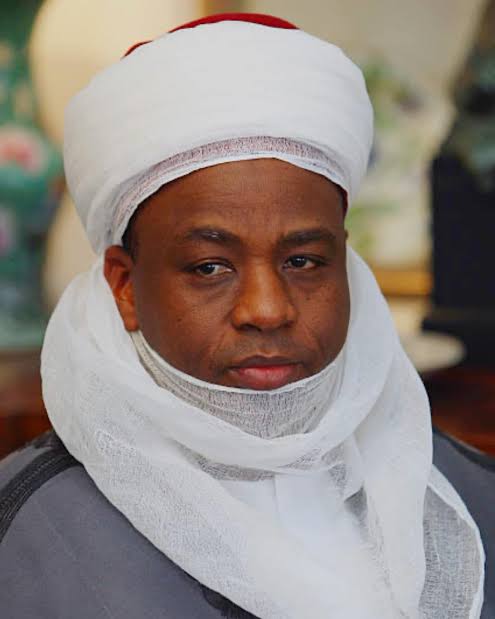
The Sultan of Sokoto’s throne is not merely a seat; it is a symbol of continuity, authority, and the centuries-long legacy of Islamic governance in Northern Nigeria. Established in 1804 following the jihad of Usman dan Fodio, the throne embodies both spiritual and political power, linking the contemporary Sultan to the historic caliphate that once spanned vast regions of West Africa.
Historical Origins
The throne originated with the founding of the Sokoto Caliphate, a state established by Usman dan Fodio after a reformist jihad that aimed to purify Islamic practice and governance among the Hausa and Fulani states. Dan Fodio became the first Sultan, combining religious leadership with political authority. The throne he occupied became the symbol of legitimate rule, recognized not only within the caliphate but across neighboring kingdoms and empires.
Over the centuries, succession to the throne has remained within the Sokoto royal lineage, though selection is not automatic; candidates must demonstrate moral integrity, scholarship, and leadership ability. The throne represents continuity across generations, ensuring that each Sultan maintains the legitimacy and authority inherited from his predecessors.
Functions of the Throne
The Sultan’s throne carries multiple interwoven functions:
1. Spiritual Leadership – The Sultan is the foremost Islamic authority in Nigeria, guiding religious practice, issuing fatwas (Islamic legal opinions), and overseeing the administration of Sharia law in Northern states. The throne symbolizes this sacred authority, connecting the holder to centuries of Islamic scholarship.
2. Political Advisory – Historically, the Sultan wielded political influence as the head of the Sokoto Caliphate. Today, he serves as a moral and advisory guide to Northern governments, mediating conflicts, advising on policy, and representing Northern interests in national discourse.
3. Judicial Oversight – The Sultan’s authority historically extended to the judiciary, ensuring that governance aligned with Islamic law and moral principles. Even in modern Nigeria, the throne retains symbolic oversight over religious courts and community arbitration processes.
4. Cultural Custodianship – The throne embodies Northern heritage and identity. From festivals to ceremonies, coronations to educational patronage, the Sultan is the guardian of customs, language, and the historical memory of the caliphate.
5. Diplomatic Representation – Throughout history, the Sultan has served as a bridge between Northern Nigeria and foreign powers, including neighboring African states and Islamic countries. The throne symbolizes Nigeria’s historic ties to broader West African Islamic empires and the global Muslim community.
Symbolism of the Throne
The throne itself is more than furniture. It is a symbol of justice, wisdom, and responsibility. Sitting upon it signifies the acceptance of a sacred trust: to govern with integrity, protect the people, and uphold the principles of Islam. Traditionally, coronation rituals emphasize these duties, reminding the Sultan and his court that authority is a moral obligation rather than a personal privilege.
The throne’s enduring significance lies in its dual function: it represents the continuity of the Sokoto Caliphate’s governance structures while also serving as the moral compass for Northern Nigeria. Through wars, colonial disruptions, and political transitions, the throne has remained a constant emblem of stability and legitimacy.
Legacy and Modern Role
Even under Nigeria’s federal system, the Sultan’s throne retains symbolic and practical importance. It guides social cohesion, advises political leaders, and ensures that Northern traditions are respected in national policy. It links present-day governance with historical empires, demonstrating that Northern authority is both rooted in history and adaptable to modern realities.
In essence, the Sultan’s throne is a living monument. It represents over two centuries of leadership, scholarship, and moral authority. It reminds all who approach it that power is a responsibility, history is a guide, and leadership is a sacred duty. Through this throne, the Sokoto Caliphate’s legacy continues to shape Northern Nigeria and the nation as a whole.
Comments (0)
Leave a Comment
No comments yet. Be the first to comment!