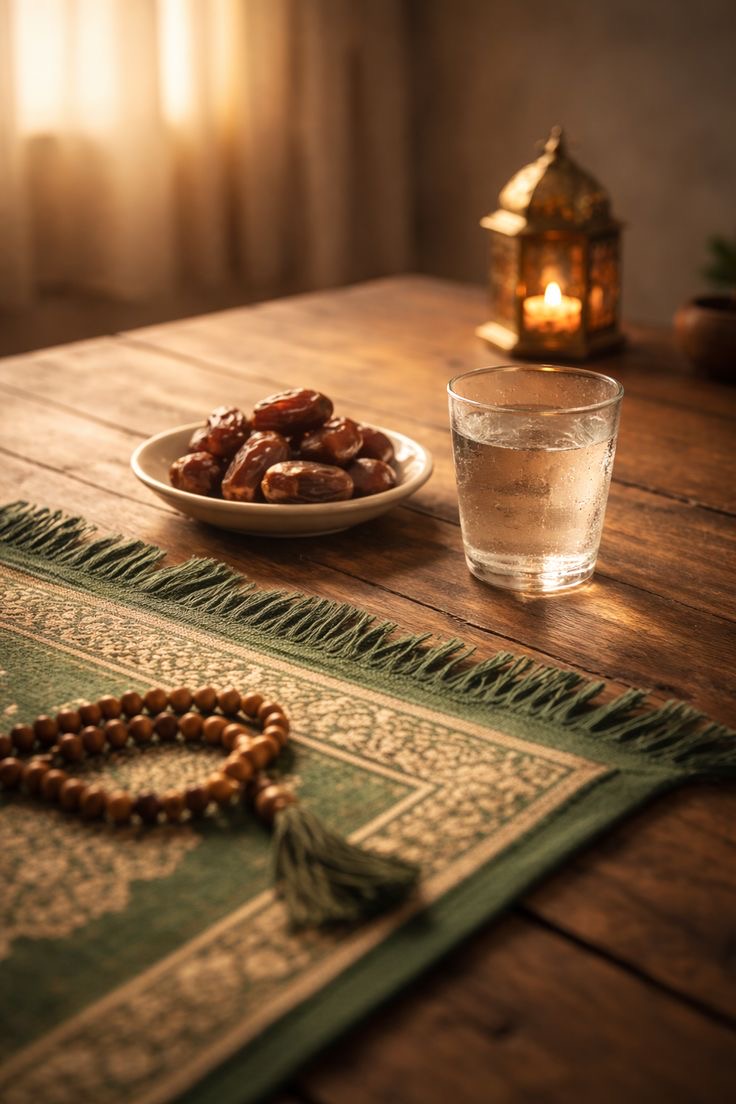
Ramadan is often described simply as a month of fasting. But for Muslims across the world, it is far more than abstaining from food and drink. It is a season of return, to faith, to discipline, to community, and sometimes even to oneself.
Fasting from dawn until sunset is perhaps the most visible practice of Ramadan. Yet the true essence of the fast lies beyond hunger. It is a deliberate act of restraint: holding back anger, guarding the tongue, controlling impulses, and becoming more aware of one’s relationship with God and with people.
In many ways, Ramadan is a spiritual recalibration.
For thirty days, believers wake before dawn for suhoor, the pre-fast meal eaten in quiet kitchens while the world still sleeps. The day unfolds with patience and mindfulness. And when the call to prayer announces sunset, families gather to break their fast with dates and water, a simple act that carries centuries of tradition.
But Ramadan is not only experienced at dining tables. It lives in mosques filled with late-night prayers, in whispered supplications, in acts of charity done quietly, and in the shared feeling that time itself has become sacred.
Across different cultures, Ramadan takes on unique colors. In some places, lanterns glow in the streets. In others, neighborhoods wake each other for the pre-dawn meal with drums and songs. Markets fill with foods prepared only during this month, and communities become more tightly woven through generosity and hospitality.
Yet beneath these cultural expressions lies a universal intention: humility.
Ramadan reminds people of hunger so that compassion may grow. It reminds them of time so that gratitude may deepen. And it reminds them that life, often rushed and distracted, can still pause for reflection.
The nights of Ramadan carry a special quietness. Long after iftar meals end, many remain awake in prayer or contemplation. The final ten nights, believed to contain the sacred Night of Power, Layla al-Qadr — become especially profound, as believers seek forgiveness, mercy, and renewal.
For many, Ramadan is also personal. It becomes a time to mend relationships, forgive past hurts, and ask difficult questions about the direction of one’s life.
In a world that rarely stops moving, Ramadan offers something rare: a structured pause.
It invites millions of people to slow down, to reconsider priorities, and to remember that nourishment is not only physical but spiritual.
And when the month ends with the celebration of Eid, the joy is not simply that the fast has finished. It is the quiet hope that the lessons learned during those thirty days, patience, gratitude, generosity, will remain long after the moon of Ramadan has faded.
Ramadan, in its essence, is a reminder that the human heart, when given time and intention, can become softer, clearer, and closer to what truly matters.
Comments (0)
Leave a Comment
No comments yet. Be the first to comment!