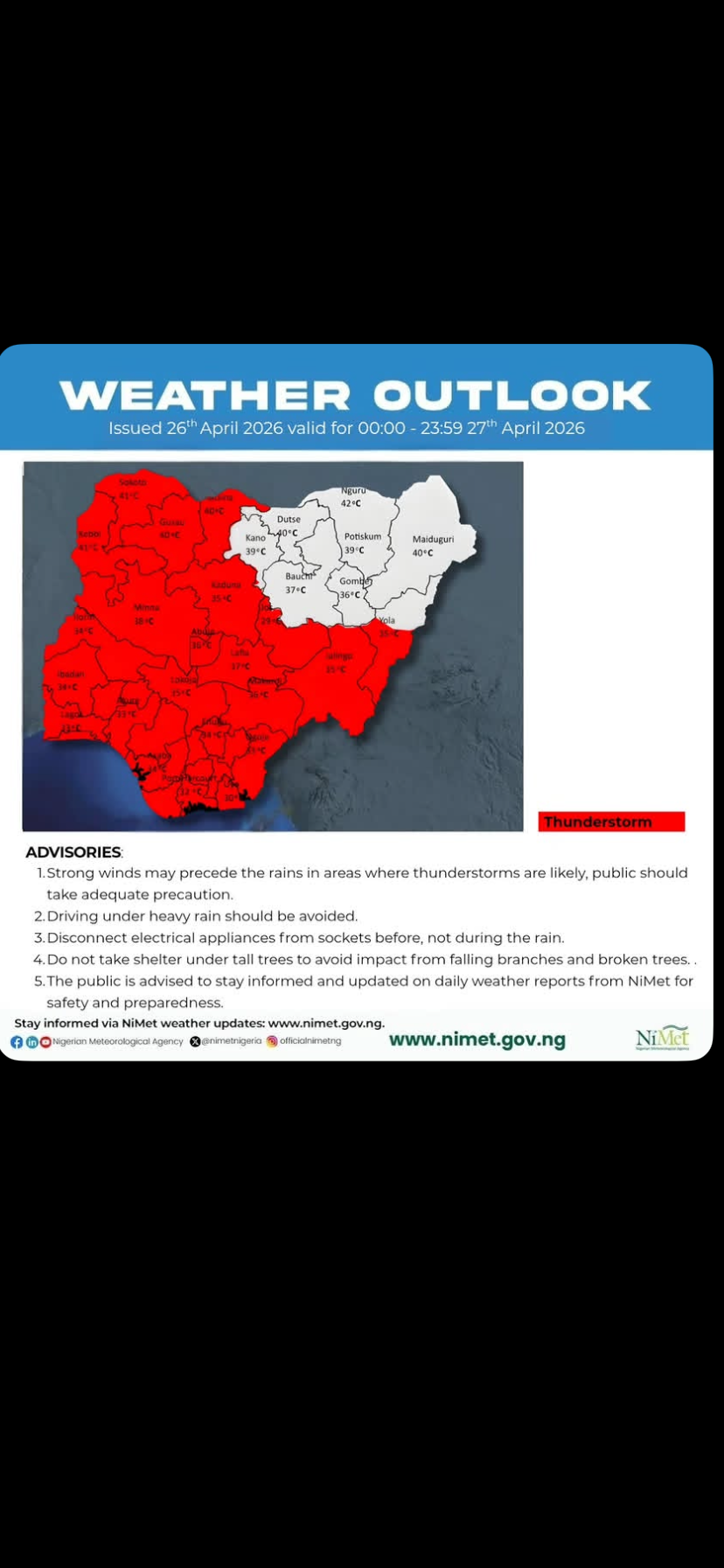
But what we are experiencing now goes beyond that.
In Kano and across Northern Nigeria, rising temperatures are quietly shaping how people live, work, and stay well. The effects are visible, but not always named.
⚠️ What the Heat Is Doing to Us
1. Health Is Under Pressure
Extreme heat increases the risk of:
* Dehydration
* Heat exhaustion and heatstroke
* Headaches, fatigue, and dizziness
Children, older adults, and outdoor workers are especially vulnerable. In many cases, people continue daily activities without realizing the strain heat places on the body.
2. It Affects How We Think and Work
When temperatures rise:
* Concentration drops
* Irritability increases
* Productivity slows
In classrooms, markets, and offices, heat quietly reduces efficiency. People are present—but not at their best.
3. Livelihoods Are Affected
For farmers and outdoor workers, heat is not just physical—it is economic.
* Crops dry faster
* Soil loses moisture
* Farming cycles become unpredictable
This affects food supply, income, and long-term stability.
4. Water and Energy Demand Increases
Hotter conditions mean:
* More water is needed to stay hydrated
* More electricity is used for cooling
In areas with limited access, this creates additional strain on daily life.
How We Can Protect Ourselves
The heat may not disappear immediately, but how we respond to it matters.
1. Take Hydration Seriously
Drink water consistently, even before you feel thirsty.
Avoid excessive sugary or caffeinated drinks, as they can worsen dehydration.
2. Reduce Direct Exposure
* Stay indoors during peak hours (12pm–4pm if possible)
* Wear light, breathable clothing
* Use head coverings or umbrellas when outside
Small adjustments can significantly reduce heat stress.
3. Make Living Spaces Cooler
* Improve ventilation (open windows strategically, allow airflow)
* Use curtains or shades to block direct sunlight
* If possible, reduce reliance on heat-absorbing materials indoors
Even simple changes can lower indoor temperatures.
4. Bring Back Shade
Planting trees is not just environmental—it is practical.
Trees:
* Reduce surrounding temperature
* Provide shade
* Improve air quality
Communities that invest in green spaces feel the difference over time.
5. Rethink Everyday Practices
* Reduce bush burning and waste burning
* Limit generator use where possible
* Be mindful of activities that contribute to heat buildup
Collective habits shape environmental conditions.
6. Pay Attention to Your Body
Recognize warning signs:
* Unusual tiredness
* Dizziness
* Rapid heartbeat
* Excessive sweating or lack of sweating
Respond early. Rest, hydrate, and cool down.
Comments (0)
Leave a Comment
No comments yet. Be the first to comment!