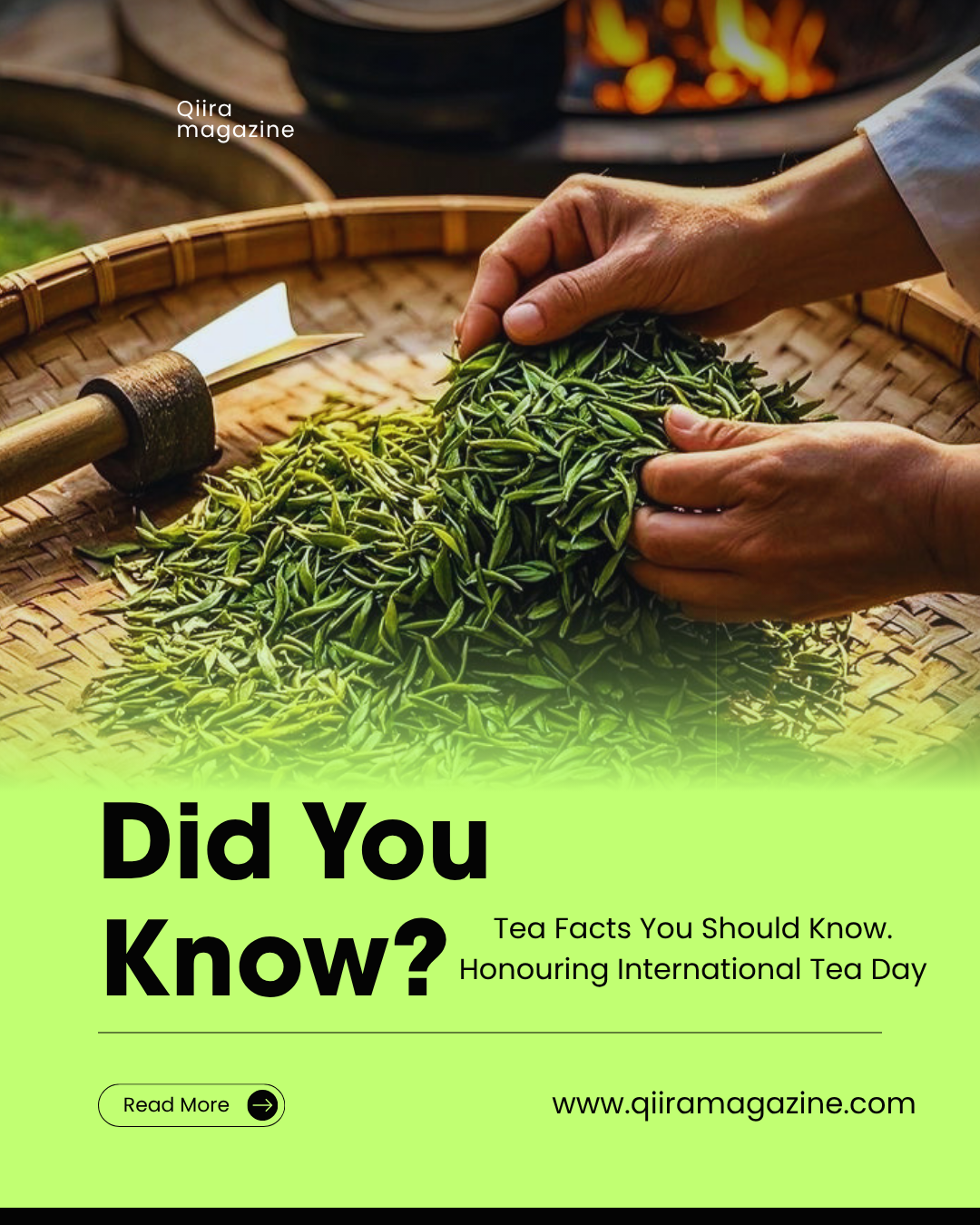
All true tea, including green, black, white, oolong, and pu-erh, comes from a single plant species known as Camellia sinensis. What makes these teas so different in taste, color, aroma, and even caffeine content is not the plant itself, but the way the leaves are processed after harvest.
After picking, tea leaves undergo varying levels of oxidation (a natural chemical reaction with oxygen). For example, green tea is quickly heated to prevent oxidation, preserving its light color and fresh, grassy taste. Black tea, on the other hand, is fully oxidized, giving it a darker color, stronger flavor, and richer aroma. Oolong tea falls somewhere in between, offering a balance of both worlds.
Tea also carries a deep historical legacy. It is believed to have originated in China over 4,000 years ago, with legend attributing its discovery to Emperor Shen Nung when tea leaves accidentally drifted into boiling water. From ancient medicinal use to becoming one of the world’s most consumed beverages after water, tea has shaped cultures, trade routes, and daily rituals across continents.
Interestingly, tea naturally contains caffeine, but the level varies depending on the type, processing method, and brewing time. This means your calming cup of tea may still have a subtle stimulating effect, gently influencing focus and alertness.
So, every cup of tea is more than a drink. It is a result of science, tradition, and history blending together in a single leaf.
Comments (0)
Leave a Comment
No comments yet. Be the first to comment!