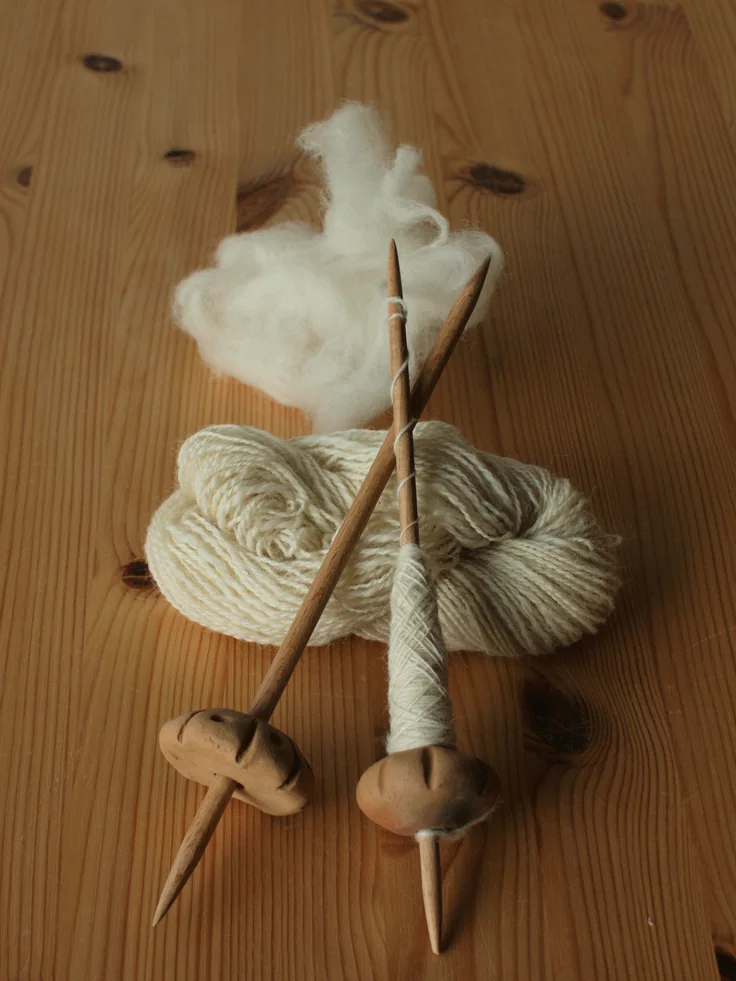
Kadi is the traditional Hausa process of transforming harvested cotton into thread by hand before it is woven into cloth. For centuries, this craft formed the foundation of the famous Hausa textile industry, providing clothing for communities and supporting local economies across the region.
The History of Kadi
The history of Kadi dates back hundreds of years, long before colonial rule. Historical records show that Hausaland was one of the leading centres of cotton production and textile manufacturing in West Africa.
Cities such as Kano, Katsina, Zaria (Zazzau), Daura, Gobir, and Zamfara became renowned for producing high-quality handwoven fabrics that were traded across the Sahara to North Africa and beyond.
Cotton farming flourished because the climate and soil were well suited for its cultivation. Once harvested, the cotton did not go directly to weavers. It first passed through the careful process of Kadi.
How Was Kadi Done?
Kadi was a labour-intensive craft, requiring patience and skill.
The process began with freshly picked cotton. Seeds, dust, and plant fibres were carefully removed by hand, leaving behind soft, clean cotton.
The cotton was then gently fluffed and teased using simple traditional tools. This made the fibres smooth and easier to spin.
After this, the cotton was rolled into small bundles and spun into fine thread using a hand spindle, known in Hausa as mazari.
The spun thread was wound into skeins and prepared for weaving.
Finally, skilled weavers used traditional looms to transform the thread into cloth.
Every stage demanded precision, experience, and countless hours of work.
The Role of Women
Across many Hausa communities, women played a central role in Kadi.
They cleaned, carded, and spun the cotton into thread, often working together in groups while sharing stories, songs, and traditional knowledge.
The craft was usually passed from mothers to daughters, ensuring that each generation inherited the skills needed to continue the tradition.
Men were more commonly involved in weaving the finished thread into cloth, although this varied between communities.
Together, these crafts created one of the most organised indigenous textile industries in pre-colonial West Africa.
Why Was Kadi Important?
Kadi was more than a method of making thread—it was an important part of Hausa life.
It provided employment for farmers, cotton processors, spinners, dyers, weavers, and traders.
The cloth produced from hand-spun cotton was used for everyday clothing, ceremonial garments, turbans, wrappers, and royal attire.
Hausa textiles became highly valued in regional trade, contributing to the prosperity of major commercial centres such as Kano.
The Decline of the Craft
The arrival of industrially produced fabrics during the colonial era changed the textile industry dramatically.
Factory-made thread and imported cloth became cheaper and faster to produce, reducing demand for handmade cotton processing.
As modern textile mills expanded, fewer families continued the traditional practice of Kadi.
Today, only a small number of artisans still preserve the craft, mainly for cultural heritage, demonstrations, and traditional textile production.
Preserving a Legacy
Although Kadi is no longer as widespread as it once was, it remains a symbol of Hausa ingenuity, patience, and craftsmanship.
Every thread spun by hand tells the story of generations who transformed raw cotton into fabrics admired across West Africa.
As interest in African heritage and sustainable fashion continues to grow, many believe that traditional crafts like Kadi deserve renewed recognition—not only as part of history but as living traditions that reflect the creativity and resilience of the Hausa people.
Kadi is more than a craft.
It is a story of skill, identity, and a people whose hands wove the fabric of history.
Comments (0)
Leave a Comment
No comments yet. Be the first to comment!